Table of Contents
Looks Good vs. Holds Up: Why the Difference Matters
Your gear should do more than hold up. It should reflect your journey, which means it has to survive the actual training that journey requires, not just look good in a product photo.
A lot of workout clothes are built to photograph well and wear out fast. The seams give out, the fabric pills, the stretch stops snapping back. Six months later you are shopping again, and the piece that was supposed to mean something is in the donation pile.
Here is how to spot the difference between cheap and built to last, so what you wear during training actually keeps up with the work you are putting in.
What to Check Before You Buy
Fabric Blend and Stretch
Check the actual fabric composition before you buy, not just the marketing copy around it. A performance blend built around polyester with a smaller percentage of elastane or spandex is what gives you 4-way stretch, fabric that moves with you in every direction instead of just up and down.
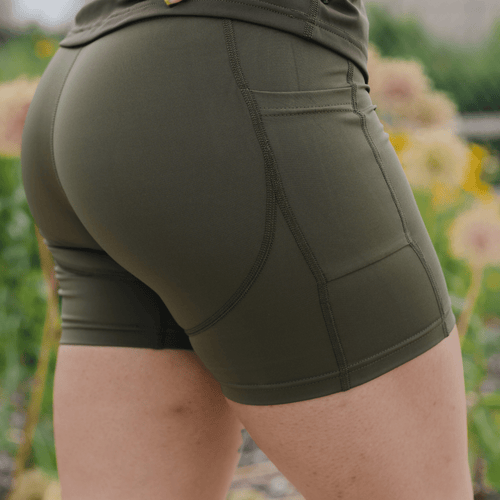
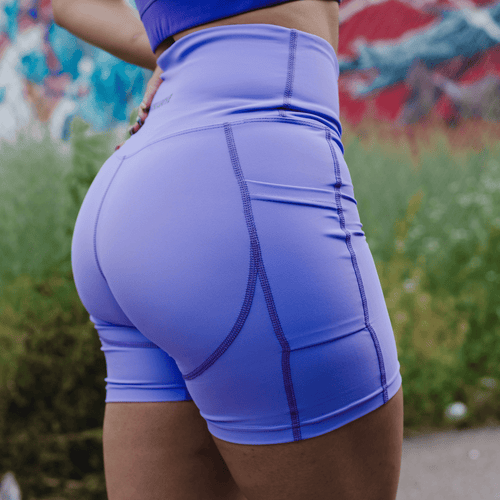
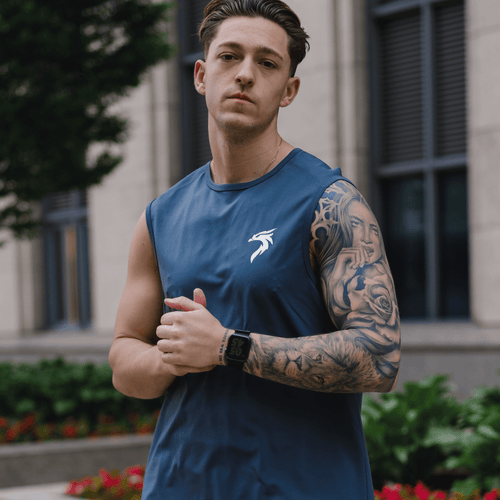
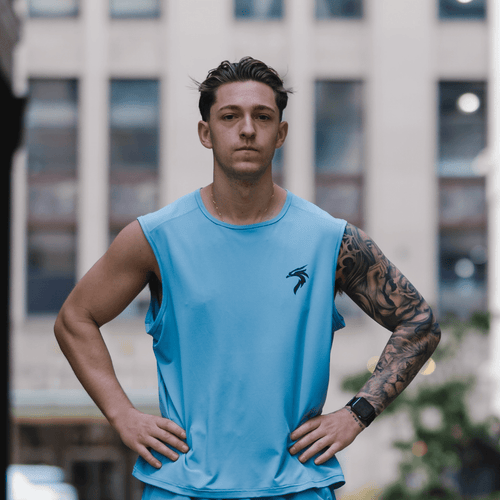
Riseabove's Valor Performance Shirt uses an 81% polyester, 19% elastane blend for that reason. The Valor Leggings use a similar 83% polyester, 17% elastane mix. Those ratios are not arbitrary, enough elastane to actually stretch and recover, enough polyester to hold its shape wash after wash.
Moisture-Wicking and Breathability
Sweat-wicking fabric pulls moisture away from your skin instead of holding onto it, which matters for comfort during a workout and for how the piece smells afterward. Breathability is a separate property, how much airflow the weave actually allows, and cheap synthetic blends often skip this even when they claim to wick moisture.
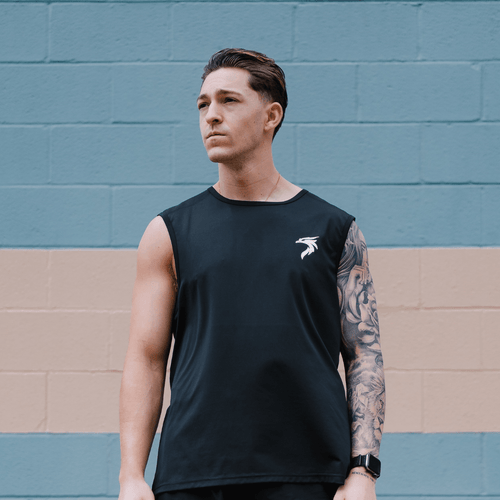
Both the Valor Performance Shirt and Valor Leggings are built breathable and sweat-wicking rather than just one or the other, which is the combination that actually matters during a real training session.
Fit and Construction Details
Small construction choices tell you a lot about whether a piece was designed for actual use. A high-rise waistband on leggings that stays put during movement. Elastic cuffs on a hoodie sleeve that keep it from riding up. A zip pouch or side pockets that hold your phone or keys securely instead of bouncing.
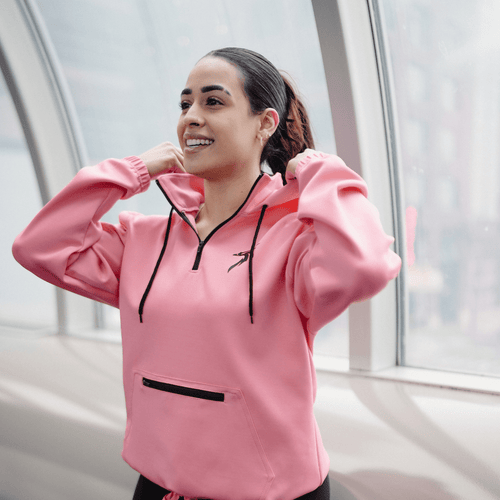
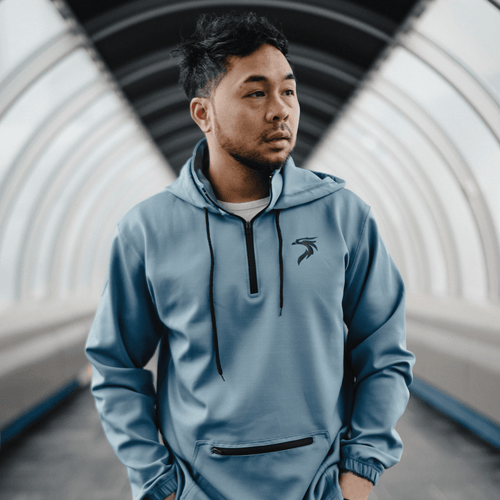
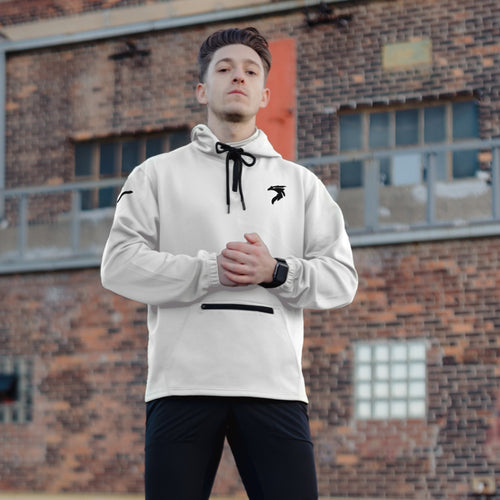
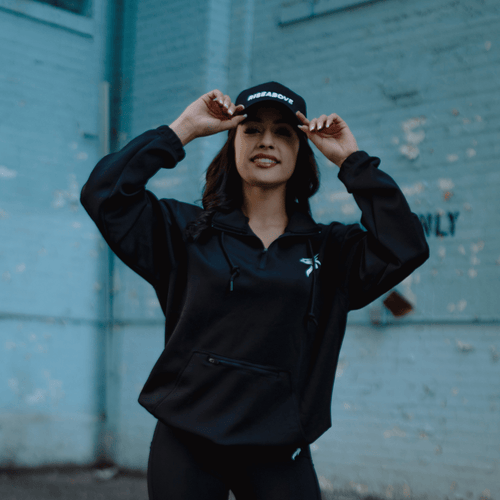
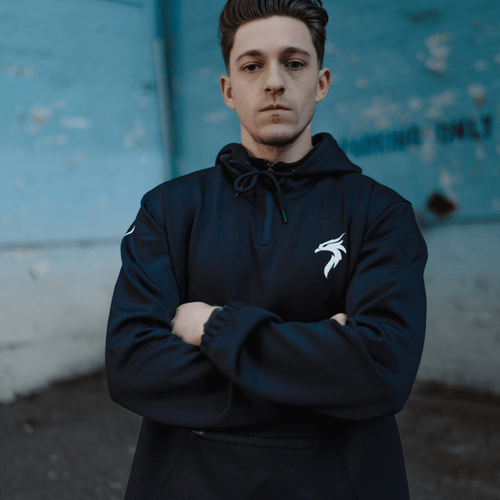
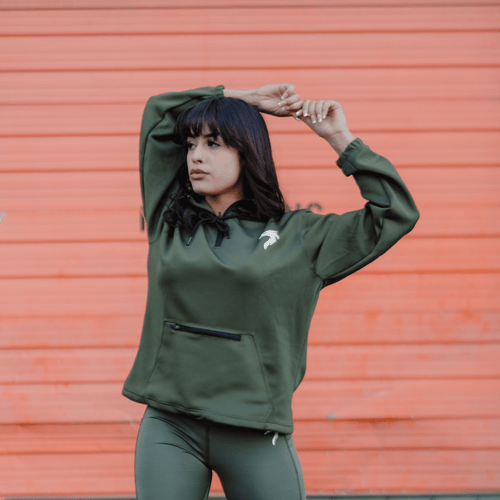
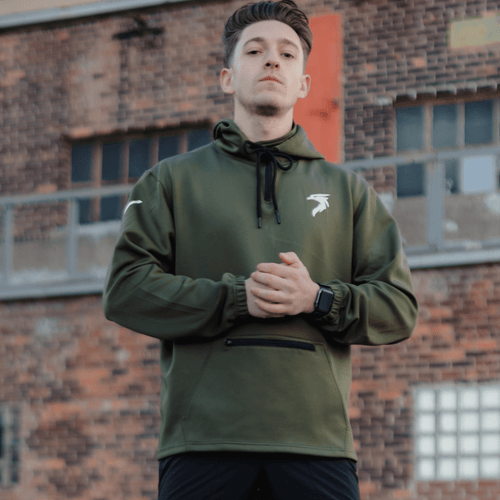
The Genesis Hoodie uses a high-neck design for wind protection and a secured zip pouch, details that come from thinking about how the piece actually gets used, not just how it photographs on a hanger.
Weight and Durability
For cotton pieces, weight is measured in GSM, grams per square meter, and it tells you how substantial the fabric actually is. A lightweight tee around 150 GSM feels flimsy and wears thin fast. Something closer to 250 GSM, like Riseabove's Phoenix Rising Premium T-Shirt, holds its shape and structure through repeated washes.
Pre-shrunk fabric matters too. A shirt that has not been pre-shrunk can lose a full size in the first wash, which throws off a fit you picked specifically for a reason.
What Riseabove Builds Differently
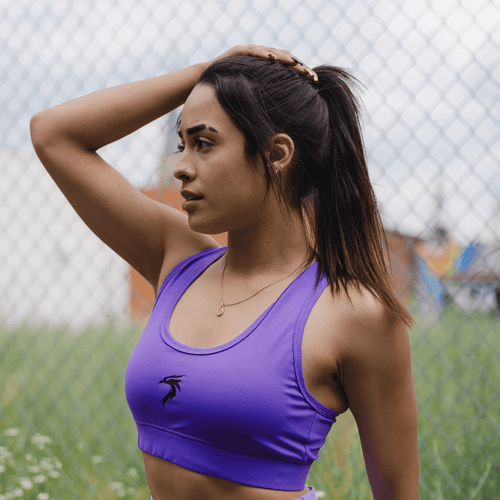
Riseabove's Valor and Genesis lines are built around the same principle across every piece, performance fabric first, meaning built into the design second, never one at the expense of the other.
The Valor Performance Shirt and Valor Leggings share the same 4-way stretch, moisture-wicking approach across men's and women's pieces. The Genesis Hoodie uses a heavier 95% polyester, 5% spandex blend built for warmth and structure rather than pure stretch, since a hoodie is doing a different job than a training shirt. Each piece is engineered for what it actually needs to do.
Red Flags to Watch For
A few signs a piece was built to look good rather than hold up:
- No fabric composition listed anywhere on the product page
- Vague claims like "premium quality" with no specific weight, blend, or construction detail behind them
- A single thin layer with no mention of stretch direction or moisture handling
- Care instructions that require special handling for a piece marketed as everyday training gear
If a brand will not tell you what a piece is actually made of, that usually means the fabric was not the priority.
Frequently Asked Questions
What fabric blend is best for workout clothes?
A polyester and elastane or spandex blend, typically 80 to 95 percent polyester with the remainder elastane or spandex, gives you the stretch, recovery, and durability needed for regular training.
What does 4-way stretch actually mean?
4-way stretch fabric moves in both directions, horizontally and vertically, so it flexes with your body during a full range of motion instead of only stretching one way.
Does higher GSM always mean better quality?
Higher GSM means a heavier, more substantial fabric, which generally holds up better over time, but the right weight depends on the piece. A t-shirt around 250 GSM feels premium and durable, while a lighter weight makes sense for something meant to be sheer or ultra-breathable.
Why does pre-shrunk fabric matter?
Fabric that has not been pre-treated can shrink noticeably in the first wash, changing the fit you originally chose. Pre-shrunk fabric holds its size through regular washing.
How can I tell if a brand's performance claims are real?
Look for specific fabric composition percentages, named construction features like 4-way stretch or moisture-wicking, and care instructions that match everyday use, rather than vague marketing language with no detail behind it.
Conclusion
Workout clothes should support your transformation, not just survive your sweat sessions. Checking the actual fabric blend, weight, and construction before you buy is how you separate gear built to last from gear built to sell.
The right piece does both jobs at once, performs during training and means something every time you put it on. Explore the Valor Collection and Genesis Hoodie at Riseabove.org.
Forged In The Fire
Wear Your Story. Get 20% Off.
Join a community that turns scars into strength. Get 20% off your first order, plus new drops and real stories of resilience, straight to your inbox.