Table of Contents
You already know that getting dressed before a workout changes something in you. The moment you pull on your gear, something shifts. You stand a little taller. You feel more ready. That is not a coincidence, and it is not just motivation.
There is real psychology behind it. And if you are someone using fitness to fight your way through a hard chapter, understanding that psychology can make your journey more intentional and more powerful.
Why What You Wear Is Never Just About Looks
Clothing has always carried meaning beyond fabric and fit. Across cultures and centuries, what people wore signaled who they were, what they had survived, and what they stood for. A soldier's uniform. A widow's black. A champion's medal. These are not decorations. They are declarations.
The same principle applies to your everyday choices, including what you wear to the gym, on a morning run, or during a hard training session. When you choose clothing that reflects something true about who you are or who you are becoming, you are not just getting dressed. You are reinforcing an identity.
Psychologists call this self-concept consistency. The idea is straightforward: people feel most grounded and motivated when their external presentation matches their internal sense of self. When there is a gap between the two, it creates friction. When they align, it creates momentum.
Enclothed Cognition: The Research Behind the Feeling
In 2012, researchers Hajo Adam and Adam Galinsky introduced the term "enclothed cognition" to describe how the clothes we wear influence our psychological processes. Their studies found that wearing a garment associated with a particular identity or role actually activates the mental traits connected to that role.
In one well-known experiment, participants who wore a lab coat described as a "doctor's coat" performed significantly better on attention-related tasks than those wearing the same coat described as a "painter's coat." The garment was identical. The meaning attached to it was not.
This matters for you. When you put on clothing that carries the meaning of someone who pushes through, who rebuilds, who refuses to quit, you are not just dressing for a workout. You are priming your brain to behave like that person. The clothing becomes a cue. A reminder. A commitment you make to yourself before you even step out the door.
How Clothes Affect Self-Image During Hard Times
Setbacks do something specific to self-image. They create a gap between who you were, who you are right now, and who you want to become. That gap can feel enormous. It can make you question whether the comeback is even possible.
This is where identity-based clothing does something that purely performance-based gear cannot. Performance gear tells you what your body can do. Identity-based clothing tells you who you are in the process of becoming.
There is a concept in psychology called "possible selves," developed by researchers Hazel Markus and Paula Nurius. The theory holds that people are motivated not just by their current self-concept but by their vision of who they could be. When the clothes you wear reflect that possible self, you close the psychological distance between where you are and where you are going.
Put simply: wearing something that says "I am someone who rises" makes it easier to actually rise. Not because the clothing is magic, but because it keeps your identity narrative visible and active.
Most athletic brands sell you on performance. Faster, stronger, more wicking, better compression. And those things matter. But for someone in the middle of a real comeback, performance specs are not what get you out of bed at 5 a.m. when everything hurts.
What gets you up is meaning.
When your athletic wear carries a story that matches yours, it functions differently in your life. It is not just something you put on. It is something you choose. And that choice, repeated daily, reinforces the identity you are building.
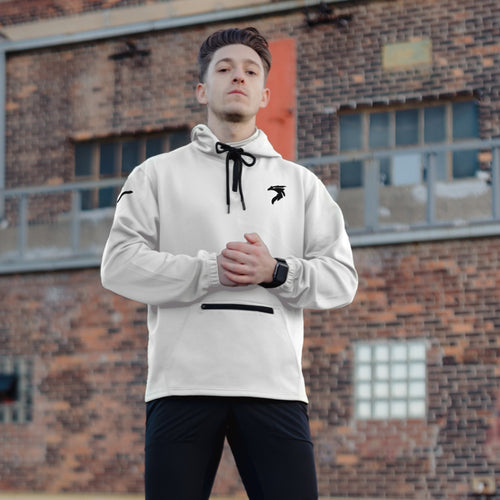
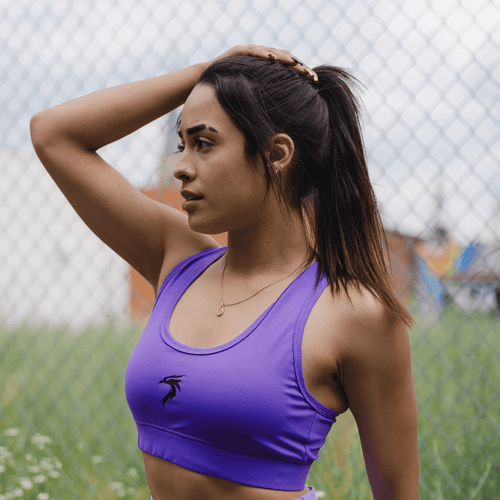
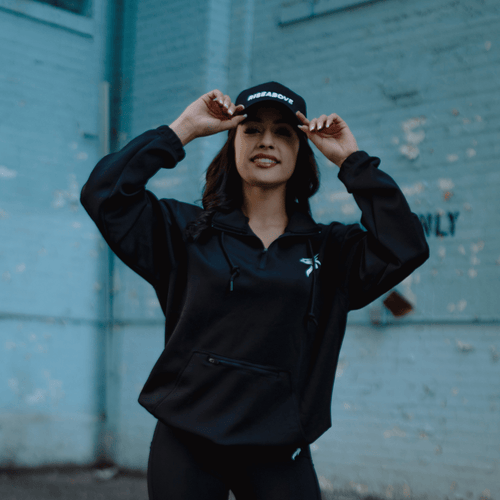
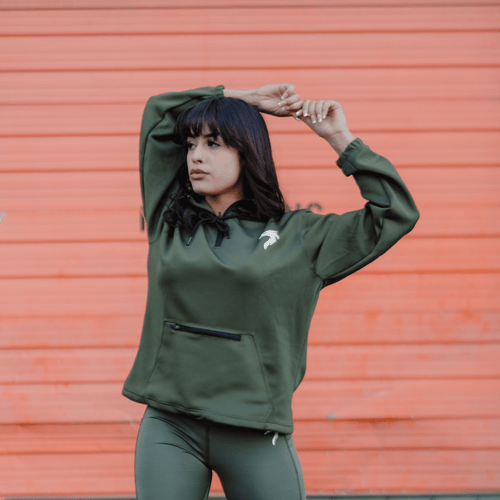
This is the idea behind collections like Phoenix, Born From The Ashes, Valor, and Genesis at Riseabove.org. Each collection is built around a chapter of the comeback story. Phoenix speaks to rebirth after something burns down. Born From The Ashes speaks to starting over from nothing. Genesis speaks to new beginnings. Valor speaks to the courage it takes to keep going when the outcome is uncertain.
These are not just product names. They are psychological anchors. When you wear a piece from a collection that reflects your current chapter, you are doing something intentional with your self-concept. You are telling yourself a specific story about who you are right now.
Mindset and What You Wear: Making the Connection Intentional
Understanding the psychology is useful. Acting on it is what actually changes things.
Here is how to make the connection between mindset and what you wear more deliberate:
Choose clothing that reflects where you are going, not just where you are. If you are in the early stages of a comeback, wearing gear associated with resilience and rebuilding actively supports the identity you are working toward. You do not have to have arrived to dress like someone who is on the way.
Pay attention to how your clothing makes you feel before training. If you feel flat or disconnected in generic gear, that is worth noticing. Clothing that carries personal meaning tends to produce a different internal response. That response is not trivial. It is data about what is actually supporting your mindset.
Treat your gear as part of your ritual, not an afterthought. Pre-workout rituals matter because they signal to your brain that something important is about to happen. Choosing clothing with intention is part of that signal. It is a small act of commitment to yourself.
Let the story in your clothing remind you of the story you are living. On the hardest days, when the workout feels impossible and the progress feels invisible, the meaning in what you wear can function as a quiet anchor. A reminder that you chose this. That you are still here. That you are still rising.
The psychology is real. The impact is real. And the choice is yours every single day.
If you are building a comeback, your gear should be part of the story, not background noise. Explore the collections at Riseabove.org and find the chapter that fits where you are right now.
FAQs
What is enclothed cognition?
Enclothed cognition is a psychological concept describing how the clothes we wear influence our thoughts, feelings, and behaviors. Research shows that wearing clothing associated with a specific identity or role activates the mental traits connected to that role, which can affect focus, confidence, and performance.
Does what you wear actually affect your mindset during a workout?
Yes. Research in psychology supports the idea that clothing carries symbolic meaning, and when that meaning aligns with a desired identity or mindset, it can reinforce motivation and focus. Wearing gear that reflects who you are working to become is a form of identity priming.
Why do identity-based clothes feel different from generic athletic wear?
Generic athletic wear is built around function. Identity-based clothing carries meaning beyond performance. When your clothing reflects something true about your journey, it creates a psychological connection that purely functional gear does not. That connection can affect how you show up mentally, not just physically.
What does "possible selves" theory have to do with clothing choices?
Possible selves theory, developed by psychologists Markus and Nurius, holds that people are motivated by their vision of who they could become. Wearing clothing that reflects your future self, rather than just your current state, can reduce the psychological distance between where you are and where you want to be.
How do themed collections like Phoenix or Born From The Ashes support identity?
Named collections built around specific themes, like rebirth, starting over, or courage, function as psychological anchors. When you wear a piece that reflects your current chapter, you are actively reinforcing a narrative about who you are in the process of becoming. That narrative supports motivation and resilience.
Is there a difference between wearing clothes for performance versus wearing them for identity?
Yes. Performance-focused clothing is designed to help your body do more. Identity-focused clothing is designed to help your mind stay connected to who you are and who you are becoming. Both matter, but for people in the middle of a personal comeback, the identity piece often has more day-to-day impact on motivation and consistency.
Can clothing choices actually support mental health during difficult periods?
Clothing alone does not replace mental health support, but research does suggest that intentional choices about what we wear can support self-concept, reinforce positive identity narratives, and contribute to a sense of agency. For people using fitness as a tool for mental and emotional recovery, wearing gear that reflects that journey can be a meaningful part of the process.
Wear What You've Earned
The clothes you choose during your hardest seasons are not trivial. They are part of how you see yourself, how you show up, and how you rebuild.
The psychology is clear. Meaning matters. Identity matters. And when your gear reflects the person you are forging yourself into, every rep, every mile, every hard morning carries a little more weight.
You are not just getting dressed. You are making a statement about who you are becoming.
Learn more at Riseabove.org.
Forged In The Fire
Wear Your Story. Get 20% Off.
Join a community that turns scars into strength. Get 20% off your first order, plus new drops and real stories of resilience, straight to your inbox.