Overcoming a Fitness Setback: How to Rebuild Stronger Than Before
Shop The Story










Rebuilding Your Identity as Someone Who Rises
The hardest part of any setback isn't physical, it's rebuilding your sense of self.
You're not starting over, you're starting again. Every time you've shown up before, every lesson learned, every moment of growth, that's still part of you. You're building on that foundation, not from scratch.
Embrace being a beginner again. There's power in beginner's mind. You notice things you missed before. You appreciate small wins more. You're not carrying the pressure of past performance.
Find your new "why." Your original motivation might not work anymore. Maybe you started for weight loss but now you need movement for mental health. Maybe you started for aesthetics but now you need strength for daily life. Let your why evolve.
Surround yourself with people who get it. Find others who've been through setbacks. Their stories remind you that comeback is possible. Their presence reminds you that you're not alone.
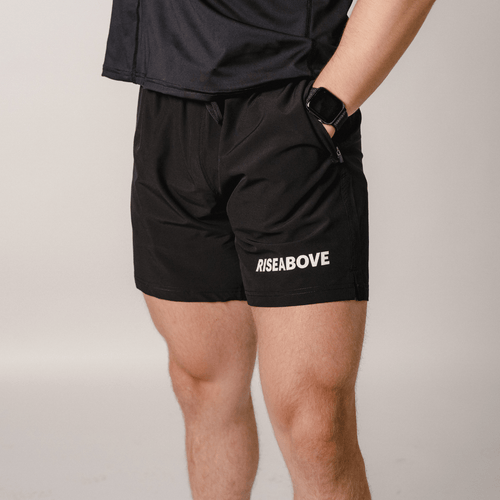
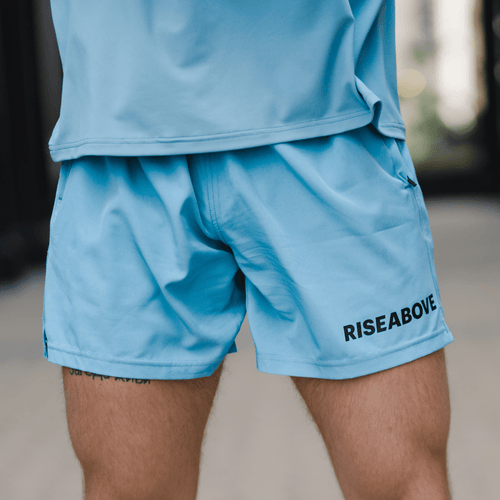
This is where community matters most. When you're rebuilding, you need gear that represents your journey, not just your destination. You need reminders that setbacks don't define you, your response does. Riseabove built collections like Phoenix (rebirth), Born From The Ashes (starting from nothing), and Valor (courage under pressure) around exactly this chapter. If your setback was specifically mental health related, the Mental Health Clothing line and Recovery Clothing collection speak directly to that experience.
Signs You're Getting Stronger Than Before
Real strength after a setback looks different than strength before it.
You know you're getting stronger when you can modify workouts without feeling like you're failing. When you can rest without guilt. When you can ask for help without shame.
You know you're getting stronger when small wins feel genuinely exciting again. When you choose movement because it feels good, not because you have to. When you can be patient with the process.
You know you're getting stronger when you can help someone else who's struggling. When your story becomes a source of hope instead of shame. When you realize your setback taught you something you couldn't have learned any other way.
The strongest people aren't those who never fall. They're the ones who get back up, again and again, each time a little wiser and a lot more resilient.
FAQs
How long does it take to recover from a fitness setback?
Recovery timelines vary dramatically based on the type of setback, your starting point, and how you approach the comeback. Physical recovery from injury might take weeks to months, while rebuilding habits and confidence often takes longer. Focus on consistent progress rather than timeline pressure.
Should I work with a professional during my comeback?
For physical injuries, consult healthcare providers or physical therapists. For mental health setbacks, consider counselors or therapists. Even for general setbacks, trainers experienced with comeback clients can provide valuable guidance and accountability.
What if I keep having setbacks during my recovery?
Multiple setbacks are normal, not failure. Each one teaches you something about your limits, needs, or approach. Adjust your expectations, build in more recovery time, and remember that progress isn't always linear.
How do I stay motivated when progress feels slow?
Redefine progress beyond physical metrics. Celebrate showing up, feeling energized, sleeping better, or having a good workout. Keep a journal to track these wins, they're often more significant than the numbers.
Is it normal to feel scared about getting back into fitness?
Completely normal. Fear of re-injury, fear of not being as strong as before, or fear of another setback are common. Start with low-risk activities, build confidence gradually, and remember that courage isn't the absence of fear, it's moving forward despite it.
How do I know if I'm pushing too hard or not hard enough?
Learn to distinguish between productive discomfort, challenge that builds you up, and destructive discomfort, pain or exhaustion that breaks you down. When in doubt, err on the side of caution. You can always add more intensity later.
What should I do if people don't understand my setback?
Not everyone will understand your journey, and that's okay. Focus on building relationships with people who support your process. Sometimes educating others helps, but protecting your energy and mental space is more important than convincing skeptics.
Your Comeback Starts Now
Your setback doesn't define you. Your comeback will.
Every person who's ever built something meaningful has faced moments when everything seemed to fall apart. The difference between those who rise and those who stay down isn't talent, genetics, or luck. It's the decision to start again, even when it's hard.
You didn't come this far to stop here. Your story isn't over, this is just a new chapter. And sometimes the most powerful chapters are the ones where the hero has to rebuild from nothing.
Ready to rise? Your comeback story is waiting to be written. Learn more at Riseabove.org.