Table of Contents
You've felt it before. You slip on that favorite workout shirt and suddenly feel ready to push harder. Or you grab whatever's clean and drag yourself through a lackluster session. What you wear to the gym isn't just about looking good or staying comfortable. Research suggests your workout clothes can influence your performance and mindset.
This connection runs deeper than you might think. Your brain processes what you're wearing and adjusts your behavior accordingly. The right gear can boost confidence, improve focus, and help you push through mental barriers. The wrong choices can hold you back before you even start.
The Science Behind What You Wear
Researchers have spent years studying how clothing affects human psychology and performance. A widely cited 2012 study by Hajo Adam and Adam Galinsky, published in the Journal of Experimental Social Psychology, introduced the concept of "enclothed cognition."
The researchers found that wearing specific clothing didn't just make participants look different, it appeared to make them think differently. In the study, people wearing a lab coat performed better on attention-related tasks, but only when they believed the coat belonged to a doctor. When told it was a painter's coat, the performance boost disappeared.
It's worth noting that a large-scale 2019 replication attempt did not reproduce that specific lab coat finding, which is a reminder that individual psychology studies, even influential ones, don't always hold up under further testing. The broader idea behind enclothed cognition, that clothing can shape mindset through both its symbolic meaning and the physical experience of wearing it, is still widely discussed and considered a reasonable, if not fully settled, area of psychology.
Enclothed Cognition: Your Brain on Athletic Wear
Enclothed cognition, as originally proposed, works through two pathways. First, you have symbolic associations with different types of clothing. Athletic wear signals strength, determination, and physical capability. Your brain picks up on these signals.
Second, you experience the physical sensation of wearing the clothes. The fit, fabric, and feel all send messages to your nervous system. Compression gear can make you feel supported. Loose, flowing fabrics can make you feel free and unrestricted.
When you put on workout clothes, your brain starts preparing for physical activity. Your mental state can shift toward action and movement, often below your conscious awareness.
How Workout Clothes Impact Your Mental State
The psychology of workout clothes can affect multiple aspects of your mental state during exercise.
Confidence and Self-Efficacy. When you feel good about what you're wearing, you feel more capable. Well-fitting, quality athletic wear sends a message to your brain: I'm serious about this, I belong here. This confidence can translate into willingness to try harder exercises and push through discomfort.
Focus and Attention. Clothes that fit properly and feel comfortable reduce distractions during workouts. You're not tugging at loose fabric or adjusting uncomfortable seams. Your attention stays on the movement, not the clothing.
Identity Reinforcement. Your workout clothes can reinforce your athletic identity. When you dress like someone who takes fitness seriously, you're more likely to act like someone who takes fitness seriously.
Mood Enhancement. Colors and styles that you find appealing can improve your mood before and during workouts, which is generally linked to better exercise enjoyment.
The mental effects of workout clothes can translate into real performance differences.
Strength and Power Output. Some research indicates that wearing compression garments can modestly improve power output for certain individuals. The physical benefit is generally small, but the psychological boost from feeling supported and "locked in" can matter too.
Endurance and Pain Tolerance. When you feel mentally prepared and confident, you can often push through discomfort more effectively. The right workout clothes can contribute to that mental readiness.
Movement Quality. Clothes that allow proper range of motion and don't restrict movement help you maintain good form, which supports more effective workouts and lower injury risk.
Recovery Between Sets. Feeling comfortable and confident in your gear can help you reset mentally between exercises rather than spending energy adjusting or worrying about fit.
Beyond Function: The Psychology of Meaningful Gear
While technical features matter, the psychological impact of meaningful workout clothes goes deeper. When your gear represents something important to you, it becomes more than fabric and thread.
Think about workout clothes that tell your story. Maybe it's gear that represents overcoming a challenge or starting a new chapter in your fitness journey. When you wear clothes that connect to your personal narrative, you tap into a different kind of motivation.
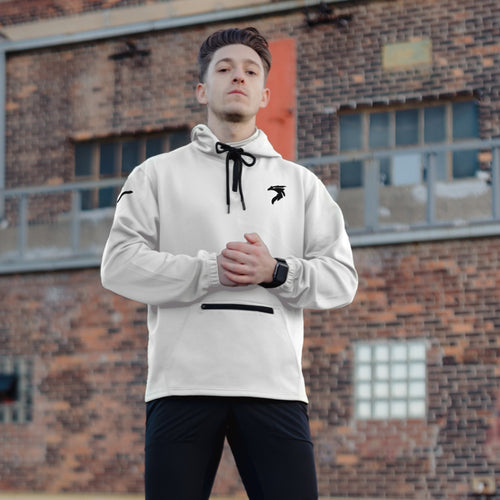
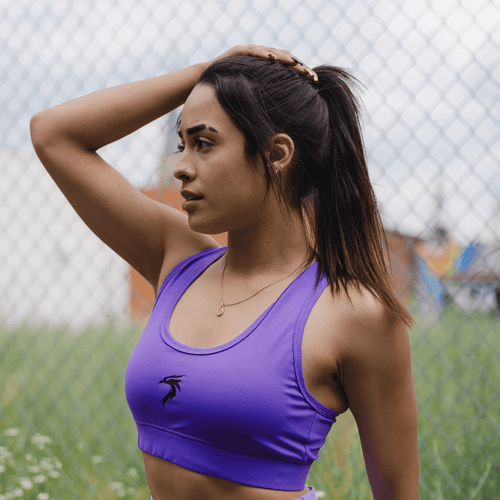
This is part of why themed collections like Phoenix, Genesis, or Born From The Ashes resonate the way they do. They don't just cover your body during workouts. They're a reminder of your resilience, your growth, and your commitment to rising above whatever you've faced.
The meaning you attach to your workout clothes becomes part of your mental preparation. Every time you put on that gear, you're reinforcing your identity as someone who doesn't give up, who pushes through, who rises above.
Choosing Workout Clothes That Work for Your Mind
To put this into practice, consider these factors when building your athletic wardrobe:
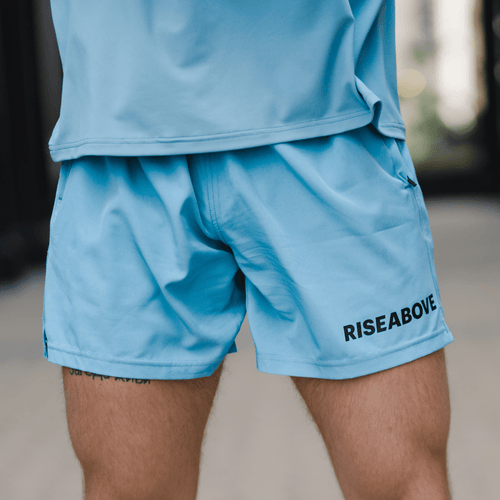
Fit and comfort. Clothes should fit well enough that you forget you're wearing them during intense movement. Too tight creates distraction. Too loose can make you feel sloppy or unprepared.
Personal style alignment. Choose styles and colors that make you feel confident and authentic. If bold colors energize you, embrace them. If you prefer subtle tones, that's equally valid.
Quality and durability. Well-made clothes that maintain their appearance over time help you feel put-together and serious about your training.
Meaningful connections. Look for pieces that connect to your personal story or goals. Whether it's a brand that represents your values or designs that remind you of your journey, meaningful connections amplify the psychological benefits.
When you invest in workout clothes that align with your identity and goals, you're not just buying fabric. You're investing in the mental tools that support your fitness journey.
The gear you choose sends a message to your brain about who you are and what you're capable of. Make sure that message supports the person you're becoming, not the person you used to be.
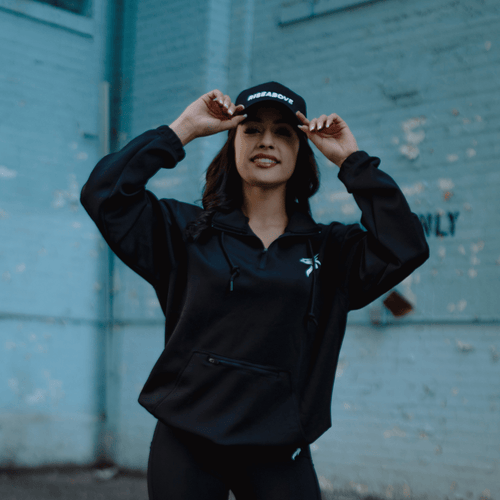
For athletic apparel designed around personal transformation and meaningful connections, explore the collections at Riseabove.org. Because what you wear during your hardest moments should remind you of how far you've already come.
FAQs
Does the color of workout clothes affect performance?
Color can influence your mental state and mood before and during a workout. Bright colors like red and orange can feel energizing, while darker colors may feel more serious or focused. Choose colors that align with your desired workout mindset.
How often should I replace my workout clothes for optimal psychological benefits?
Replace workout clothes when they no longer make you feel confident or when they become uncomfortable due to wear. Well-maintained quality pieces can provide psychological benefits for years, while worn-out clothes can negatively impact your mindset.
Do expensive workout clothes actually perform better than budget options?
Not always, but well-made clothes often fit better, last longer, and maintain their appearance. The confidence boost from quality gear can translate to a better training experience, making it a worthwhile investment for many people.
Can workout clothes help with motivation on difficult days?
Many people find that having workout clothes they love and that represent their goals provides a mental boost when motivation is low. The act of putting on your gear can signal to your brain that it's time to work, even when you don't feel like it.
Should I have different workout clothes for different types of exercise?
Having specific gear for different activities can help your brain shift into the appropriate mindset for strength training versus cardio versus recovery work, though this varies by individual.
How important is brand identity in workout clothes?
Brand identity can matter when it aligns with your personal values and goals. Wearing brands that represent qualities you want to embody can reinforce those characteristics in your own mindset.
Can wearing the same workout outfit become a performance ritual?
Yes, consistent gear choices can become part of a pre-workout ritual for many people, helping signal to the brain that it's time to perform.
Conclusion
Your workout clothes do more than cover your body during exercise. They can influence your confidence, focus, and performance, partly through the psychological principle of enclothed cognition, an idea still actively studied and debated, but broadly supported. When you choose gear that fits well, aligns with your identity, and connects to your personal story, you're setting yourself up for better workouts and stronger mental resilience.
The next time you're getting ready to train, remember that what you wear is part of your performance toolkit. Choose clothes that remind you of your strength, your journey, and your commitment to rising above whatever challenges you face.
Forged In The Fire
Wear Your Story. Get 20% Off.
Join a community that turns scars into strength. Get 20% off your first order, plus new drops and real stories of resilience, straight to your inbox.