How to Stay Consistent With Your Workouts When Life Gets Hard
Shop The Story










This might look like a workout partner who expects you to show up. A community online where you post your sessions. A coach. A class you've already paid for. Or even just telling someone out loud that you're going to train tomorrow.
The form doesn't matter much. What matters is that something outside your own head is holding the standard when you can't.
Stop Waiting to Feel Ready
Readiness is a myth when you're going through something hard. You're not going to wake up one morning feeling fully energized, mentally clear, and emotionally healed, ready to crush a workout. That day isn't coming on a schedule.
Start before you're ready. Move before you feel like it. The feeling usually follows the action, not the other way around.
You've probably already proven this to yourself. You dragged yourself to a workout when you had nothing left and came out the other side feeling like you could breathe again. That's not a coincidence. That's what movement does.
What to Do When You've Already Fallen Off
If you've already missed weeks or months, the gap can feel too big to cross. It isn't.
The only thing that matters is the next session, not the ones you missed. You don't owe anyone an explanation for going quiet. You don't need to rebuild everything at once. You just need to start again, smaller than before, with less pressure, and without the story that you've failed.
Some of the most powerful chapters start from nothing. That's the whole point of beginning again.
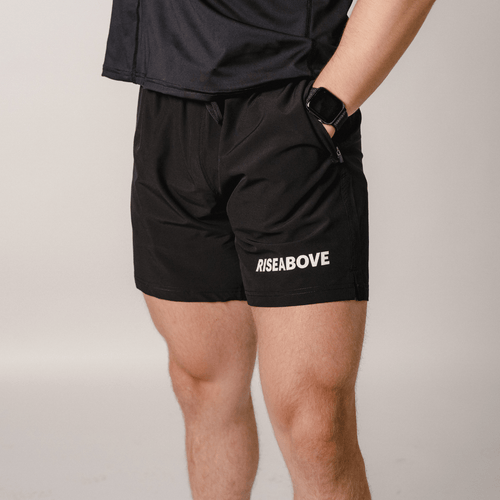
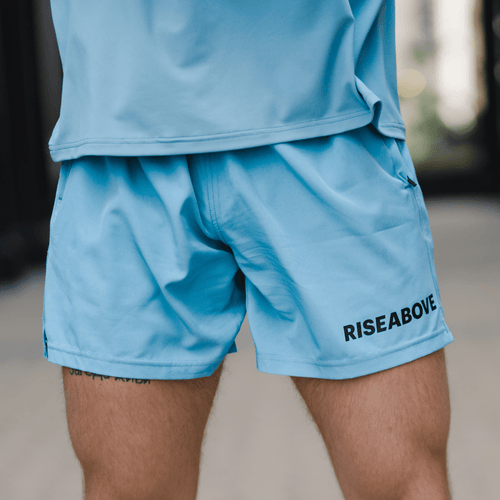
If you're looking for a community that actually gets this, the people at Riseabove are building something around exactly that kind of comeback. Their collections, Born From The Ashes, Phoenix, Valor, Genesis, aren't just names. They're chapters that reflect where you are in your journey. The Recovery Clothing line was built with this exact moment in mind. That kind of identity anchor matters when you're rebuilding.
FAQs
How do I stay consistent with workouts when I'm depressed?
Start smaller than you think you need to. Depression drains energy and motivation, so your goal shouldn't be a full training session, it should be the smallest possible version of movement you can manage. A short walk, five minutes of stretching, or even just getting dressed counts. Keeping the habit alive matters more than keeping the intensity up.
Is it okay to reduce my workout frequency during a hard time in life?
Yes. Scaling back is not the same as quitting. If you were training five days a week and life has made that impossible, training twice a week is still a win. Protecting some consistency is always better than abandoning it entirely because you can't maintain your previous standard.
How do I get back into working out after a long break?
Start without expectations. Pick one session, keep it short, and focus only on showing up rather than performing. Don't try to pick up where you left off, begin lighter, build gradually, and give yourself credit for returning at all.
What's the difference between rest and giving up?
Rest is intentional and temporary. Giving up is avoidance that keeps extending itself. If you're genuinely recovering, physically or emotionally, rest is part of the process. If you're using "rest" to avoid the discomfort of starting, that's worth being honest with yourself about.
How do I stay motivated to exercise when life feels overwhelming?
Stop relying on motivation and start relying on identity and structure. Motivation fluctuates. Your identity as someone who moves their body, even through hard times, is more stable. Build small structures, a set time, a minimum commitment, an accountability partner, that don't depend on how you feel.
Can fitness actually help during grief or a mental health struggle?
Movement has a real effect on mood, stress response, and mental clarity. It won't fix grief or resolve a mental health crisis, but it can create small windows of relief and help you feel more capable of handling what you're going through. Think of it as one tool, not a cure.
How do I stop feeling guilty about missed workouts?
Guilt about missed sessions is only useful if it motivates you to return. If it's just making you feel worse without pushing you forward, let it go. You're dealing with something hard. Missing workouts is a reasonable response to that. What matters is what you do next.
The Comeback Is Always Louder Than the Setback
You don't have to be at your best to keep going. You just have to keep going.
The hardest season of your life doesn't have to be the one where you lost your fitness. It can be the one where you found out what you're actually made of, where you showed up anyway, scaled back without shame, and rebuilt from whatever you had left.
That's not a small thing. That's the whole thing.
When you're ready to gear up for the next chapter, explore the collections at Riseabove.org, built for the ones who refused to stay down.