Riseabove Genesis Hoodie, fresh start athletic apparel for restarting a fitness routine

How to Start Working Out Again After a Long Break (Without Burning Out)

Table of Contents

Why Restarting Is Harder Than Starting

Restarting your fitness routine after time off does not have to mean burnout, but most comebacks fail for the same reason: people try to pick up exactly where they left off.

Your mind remembers what you used to lift, how far you used to run, how your old routine felt. Your body does not remember any of that the same way. The gap between where your head thinks you are and where your body actually is leads to overtraining, injury, and discouragement within the first two weeks, which is exactly when most comebacks quietly end.

A gradual, sustainable way back into training is not a lack of ambition. It is what actually gets you to month three instead of week two.

How to Come Back Without Burning Out

Start at Half of What You Remember

Whatever intensity, weight, or distance you remember as normal, start at roughly half of it. This is not caution for its own sake, it genuinely accounts for the detraining that happens after weeks or months off, even if you still feel strong.

You can always add more next session. You cannot undo a strain or a flare-up that costs you another two weeks off.

Rebuild the Habit Before the Intensity

The first two to three weeks back should be about showing up consistently, not about hitting numbers. Three shorter sessions a week that you actually complete beat one brutal session that wipes you out and keeps you from coming back for five days.

Once showing up feels automatic again, intensity is the easy part to add back in.

Expect Soreness, Plan for Recovery

Delayed onset muscle soreness after a long break is normal and expected, not a sign something is wrong. Build in a rest day or light movement day between early sessions, prioritize sleep, and do not interpret soreness as a reason to skip the next session entirely, just a reason to keep it light.

Track Consistency, Not Performance

In the first month back, the number that matters is sessions completed, not weight lifted or pace improved. A simple checkmark on a calendar for every workout you finish does more for long-term consistency than a spreadsheet of numbers that are temporarily lower than you are used to.

What to Wear for the Comeback

What you wear during a comeback can reinforce the mindset shift you are actually making, treating this as a fresh start rather than a failed continuation of before.

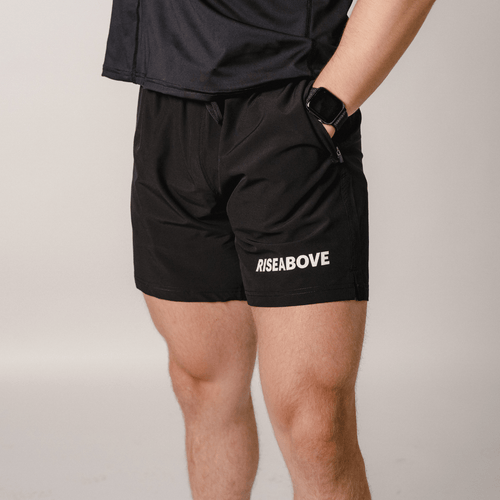
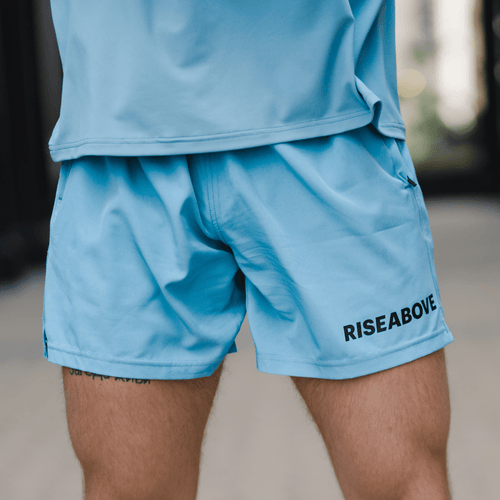
The Genesis Hoodie is built around exactly that idea, a piece for people who are redefining their path forward rather than trying to return to who they used to be. For training days, the Valor Performance Shirt and Valor Leggings give you 4-way stretch and moisture-wicking fabric without demanding anything of you beyond showing up.

When the Break Wasn't Just Physical

Sometimes a long break from training is not about an injury or a busy schedule, it is tied to a harder season, a loss, a mental health struggle, or a period of just surviving rather than thriving. If that is part of your story, the comeback can carry more weight than the workout itself.

That is worth acknowledging rather than rushing past. Starting again after a season like that is its own kind of accomplishment, regardless of what the first few workouts actually look like.

Frequently Asked Questions

How long does it take to get back in shape after a break?

It varies widely by how long the break was and your prior training history, but most people can rebuild a solid base in 4 to 8 weeks of consistent training, with full fitness returning faster than it took to build originally.

Should I start with cardio or strength training first?

Neither needs to come first. What matters more is starting both at reduced intensity and volume compared to what you remember, and building back up gradually across a few weeks.

Is it normal to feel discouraged during a comeback?

Yes. Feeling frustrated that you are not where you used to be is common and does not mean the comeback is going poorly, it usually means your expectations need to catch up to a realistic timeline.

How do I avoid getting hurt when restarting?

Start at roughly half the intensity you remember, build gradually over several weeks, prioritize recovery and sleep, and treat soreness as a cue to go lighter rather than a reason to quit entirely.

What if my break was for reasons beyond just being busy?

A break tied to a harder season, whether physical or emotional, deserves the same patience and more. Returning to training after that is still a real comeback, regardless of your starting pace.

Conclusion

Restarting after a long break is not about getting back to where you were overnight, it is about building a version of consistency that actually lasts this time.

Start at half intensity, protect the habit before the performance, and give yourself credit for showing up at all. Explore the Genesis Hoodie and Valor Collection at Riseabove.org.


DK

Dan Korte

Founder of Riseabove, and Living Proof that hope is stronger than hardship. After a cancer diagnosis and a broken engagement, Dan chose to rise instead of stay down, and writes about the fitness, recovery, and everyday choices that make you stronger.

Back to blog