How to Build Mental Resilience Through Fitness: A Practical Guide
Shop The Story


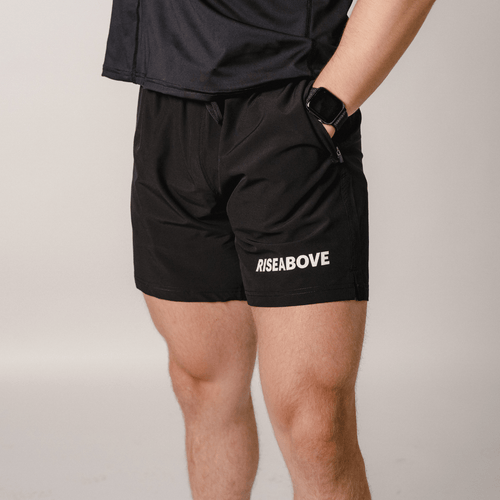





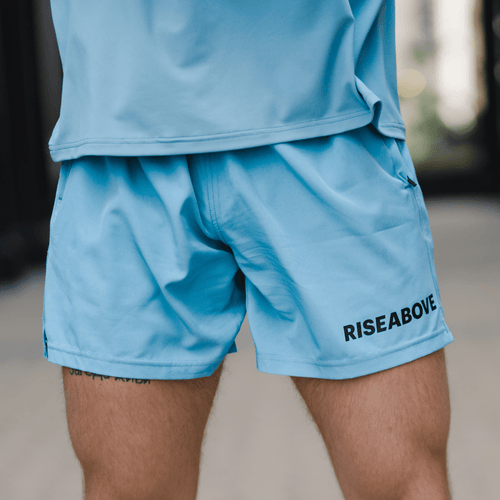
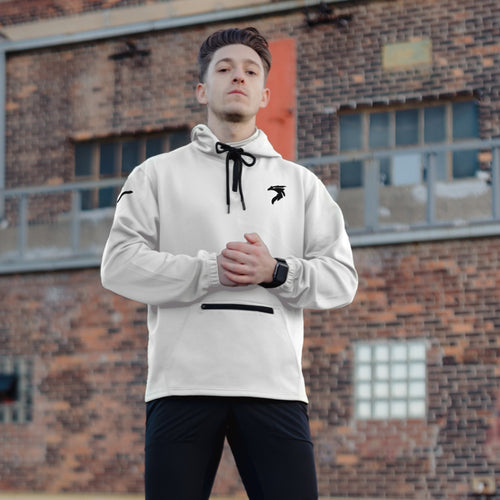


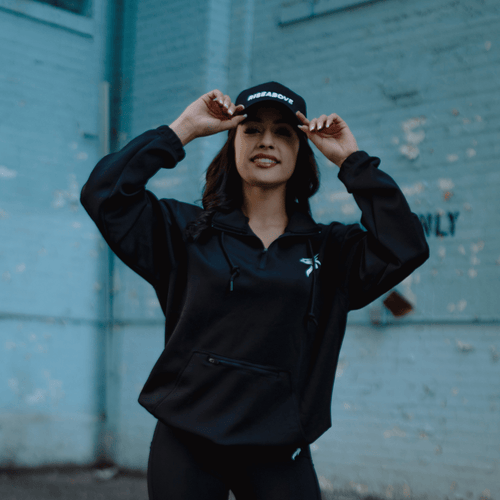
What you wear, where you train, and who you train around all send signals to your brain about who you are. Surround yourself with things that reflect the version of yourself you're building.
5. Build Community Into Your Training
Isolation makes hard things harder. Community makes them survivable.
Training alongside people who understand the journey, who've been through their own setbacks and are still showing up, changes the experience entirely. You're not just working out. You're part of something.
This doesn't mean you need a gym full of friends. It can be one training partner. An online community. A group of people who share the same values around growth and resilience.
The point is to not go it alone when you don't have to.
The Role of Identity in Mental Toughness Training
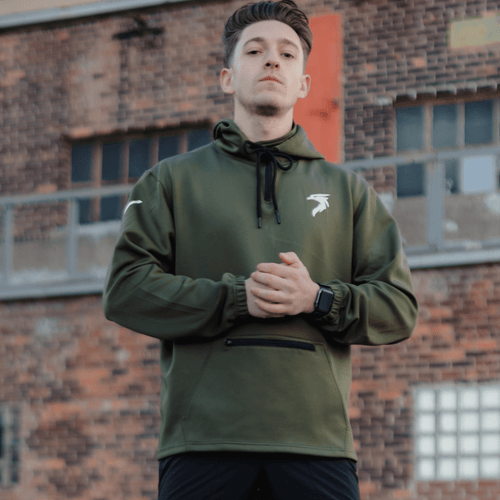
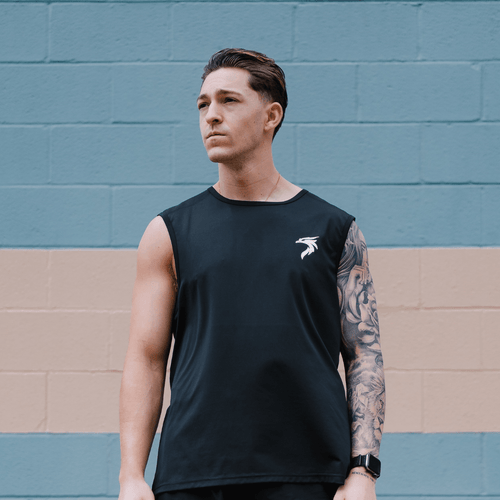
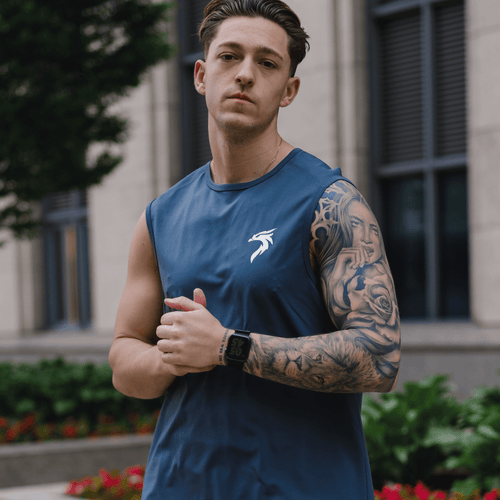
Here's something most fitness content skips: the gear you wear and the environment you create around your training sends signals to your own brain about who you are.
When you put on something that reflects your journey, not just a logo, but a piece that actually means something to you, it reinforces your identity as someone who rises.
That's the thinking behind Riseabove Apparel. Collections like Phoenix (built around rebirth), Born From The Ashes (starting over from nothing), Valor, and Genesis aren't just themed drops. They're chapters of a story that a lot of people in this community are living right now. The brand's Mental Health Clothing line speaks even more directly to that identity for anyone specifically training through a mental health season.
Wearing what you've overcome isn't vanity. It's a daily reminder of who you've chosen to become. You can explore the collections at Riseabove.org.
When Progress Feels Invisible
Some weeks, you'll do everything right and feel like nothing is moving. The scale won't shift. The weights won't go up. Your mood won't cooperate. You'll wonder if any of it is working.
It is.
Resilience isn't linear. It's built in the sessions nobody sees, in the days you showed up anyway, in the quiet decision to keep going when quitting would have been easier. Progress in mental strength is often invisible until suddenly it isn't, until you face something that would have broken you six months ago and you realize you're handling it.
Trust the process. Not because it's a cliche, but because the evidence is in your own history. You've made it through hard things before. You're building the capacity to make it through harder ones.
The comeback is always louder than the setback. Keep going. If you're rebuilding after something specific, the Recovery Clothing collection was built for exactly that chapter.
FAQs
How long does it take to build mental resilience through fitness?
There's no fixed timeline, but most people notice a shift in mindset within 6 to 12 weeks of consistent training. The key word is consistent, sporadic effort produces sporadic results. Daily or near-daily practice, even in small doses, compounds faster than you'd expect.
What types of exercise are best for building mental toughness?
Any training that requires you to push through discomfort works. Strength training, running, martial arts, and high-intensity interval training are common choices because they create clear moments of choice, keep going or stop. The best exercise is the one you'll actually do repeatedly.
Can fitness help with anxiety and depression?
Research consistently links regular physical activity to reduced symptoms of anxiety and depression. Exercise affects neurotransmitters, sleep quality, and self-perception in ways that support mental health. It's not a replacement for professional care, but it's a meaningful part of a broader approach.
What's the difference between mental resilience and mental toughness?
They overlap significantly. Mental toughness often refers to performance under pressure, staying focused when stakes are high. Mental resilience is broader, it includes the ability to recover from setbacks and adapt over time. Both are built through the same practices: consistency, discomfort tolerance, and self-awareness.
How do I stay motivated when I'm going through a hard time personally?
Motivation is the wrong target. Focus on commitment instead. Decide in advance that you'll train regardless of how you feel, then make it as easy as possible to follow through. Shorter sessions, lower stakes, and community support all help. The goal during hard times isn't peak performance, it's staying in the game.
Does what I wear to the gym actually matter for mindset?
More than most people admit. Your environment, including what you put on your body, sends signals to your brain about who you are and what you're doing. Wearing something that reflects your values or your journey reinforces your identity as someone who shows up and pushes through.
How do I start building resilience through fitness if I'm a complete beginner?
Start smaller than you think you need to. Three sessions a week, 30 minutes each, is enough to build the habit and begin developing mental strength. Focus entirely on consistency before intensity. The goal in the beginning isn't transformation, it's proof that you can show up. Everything else follows from that.
Mental resilience isn't a personality trait you're born with. It's a practice. And every time you lace up, show up, and push through, you're building it.
Learn more at Riseabove.org.