The conversation around mental health shifted dramatically in 2026. What started as awareness campaigns and therapy apps evolved into something more tangible, more immediate. People stopped waiting for external fixes and started building their own recovery from the ground up—literally.
Fitness isn't just exercise anymore. It's become the most accessible, evidence-backed pathway to mental health recovery that exists today. Not because someone told you to "just go for a run," but because the science finally caught up to what millions of people already knew: when you rebuild your body, you rebuild your mind.
The Mental Health Crisis That Changed Everything
2026 marked a turning point. Mental health struggles reached unprecedented levels, but so did the understanding that traditional approaches weren't enough. Therapy waitlists stretched months. Medications helped some but left others searching. The gap between needing help and getting it widened.
Nearly one in five U.S. adults lives with a mental health condition each year, according to the CDC — millions of people navigating the same struggle you might be facing right now.
That's when people started taking matters into their own hands. They discovered that the gym, the trail, the home workout space became more than places to get stronger—they became laboratories for mental transformation.
The data backs this up. Recent studies show that structured physical activity produces neurochemical changes comparable to antidepressants, but with a crucial difference: you earn the change. You build it. You own it.
Why Fitness Works When Other Things Don't
Immediate Neurochemical Relief
Every workout triggers a cascade of brain chemistry that directly combats depression, anxiety, and trauma responses. Endorphins get the headlines, but the real players are BDNF (brain-derived neurotrophic factor), which literally grows new brain cells, and neurotransmitters like serotonin and dopamine that regulate mood and motivation.
You don't have to wait weeks for these effects. They start during your first session.
Control in Chaos
Mental health struggles often feel like losing control of your own mind. Fitness gives you something concrete to control—your effort, your progress, your commitment. When everything else feels uncertain, you can still choose to show up and push through one more rep, one more mile, one more day.
Proof of Resilience
Depression lies to you. It tells you you're weak, that you can't handle hard things, that you should give up. Every workout becomes evidence against those lies. You lifted heavier than last week. You ran further than last month. You showed up when you didn't want to. That's not weakness—that's proof of your strength.
The Science Behind the Transformation
Research in 2026 revealed why fitness succeeds where other interventions struggle:
A 2024 network meta-analysis published in The BMJ reviewed dozens of randomized controlled trials and found that structured exercise, particularly walking, jogging, yoga, and strength training, produced moderate reductions in depressive symptoms compared to standard care. As Dr. John Ratey, a Harvard Medical School psychiatrist and author of Spark: The Revolutionary New Science of Exercise and the Brain, puts it: "Exercise is the single best thing you can do for your brain in terms of mood, memory, and learning."
Stress Hormone Regulation: Regular exercise reduces cortisol levels and increases stress resilience. Your body literally becomes better at handling whatever life throws at you.
Sleep Architecture Improvement: Physical exhaustion from training creates deeper, more restorative sleep patterns. Better sleep equals better mental health recovery.
Social Connection: Whether it's a gym community, running group, or workout partner, fitness naturally builds the social bonds that isolation destroys.
Goal Achievement Cycles: Setting and hitting fitness goals rewires your brain's reward system, teaching it to seek healthy dopamine hits instead of destructive ones.
Different Struggles, Same Solution
Working Out Through Depression
Depression makes everything feel impossible, including exercise. But that's exactly why it works. Start small—five pushups, a ten-minute walk, anything that proves you can still move forward when your mind tells you to stop.
The key isn't intensity; it's consistency. Show up when you don't want to. That's where the real transformation happens.
Training Through Anxiety
Anxiety feeds on uncertainty and what-if scenarios. Physical training grounds you in the present moment. You can't worry about tomorrow when you're focused on proper form, breathing, and pushing through the current set.
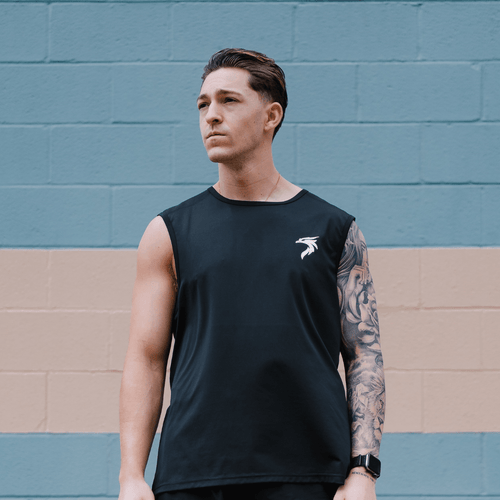
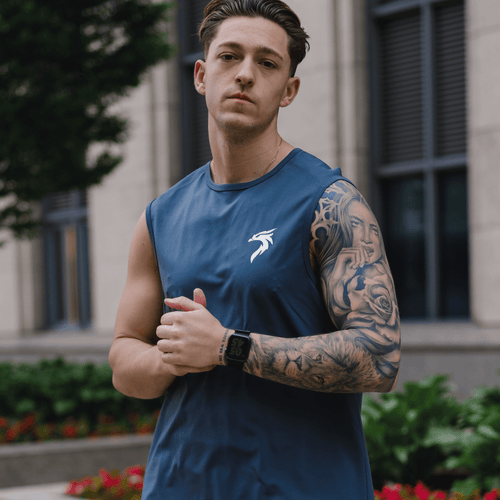
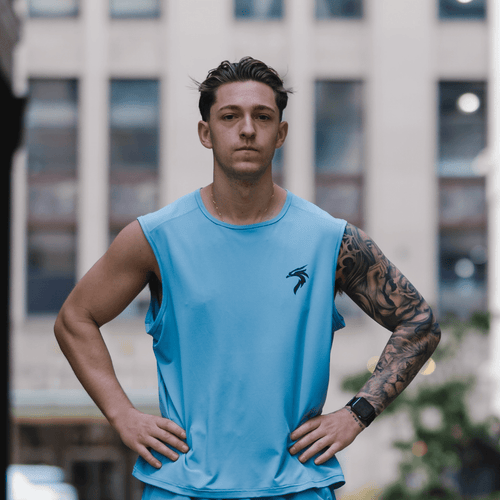
High-intensity interval training particularly helps anxiety by teaching your nervous system that elevated heart rate doesn't equal danger—it equals growth. When you’re in the middle of a high-intensity session, wearing specialized mental health tank tops can help you stay cool and focused on the present moment, rather than the what-ifs.
Fitness for Addiction Recovery
For those overcoming addiction, exercise provides a natural high that doesn't destroy your life. It replaces destructive habits with constructive ones, fills time that might otherwise lead to relapse, and builds the physical and mental strength needed for long-term recovery.
The routine, discipline, and community aspects of fitness create structure that supports sobriety.
Training Through Trauma
Trauma lives in the body as much as the mind. Physical training helps process and release trauma that talk therapy alone can't reach. It rebuilds the connection between mind and body that trauma often severs.
Strength training, in particular, helps trauma survivors reclaim their sense of physical power and safety.
Building Your Mental Health Recovery Through Fitness
Start Where You Are
You don't need a perfect plan or expensive equipment. You need to begin. Whether that's bodyweight exercises in your living room, walks around your neighborhood, or joining a gym, the best workout is the one you'll actually do.
Focus on Consistency Over Intensity
Three 20-minute sessions per week will transform your mental health more than one brutal two-hour workout. Your brain needs regular, repeated exposure to the neurochemical benefits of exercise.
Track Mental Gains, Not Just Physical
Notice how you feel before and after workouts. Track your mood, energy levels, and sleep quality alongside your physical progress. The mental gains often come before the physical ones.
Find Your Community
Mental health recovery thrives in community. Whether that's workout partners, fitness classes, or online groups, surround yourself with people who understand the journey.
The Gear That Supports Your Journey
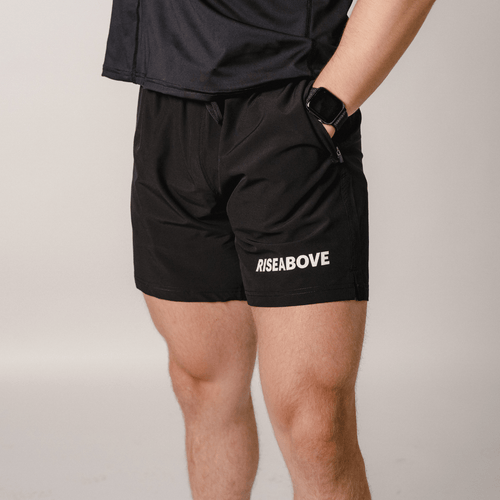
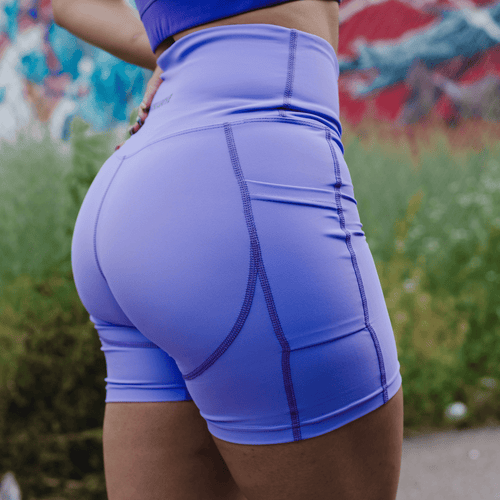
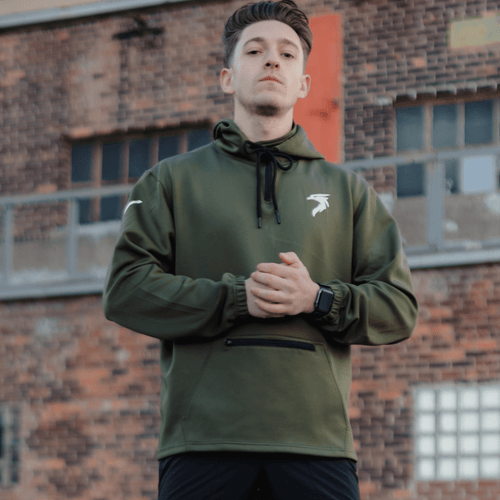
Your mental health recovery deserves gear that matches your commitment. When you're building yourself back up, what you wear matters—not for others, but for you. It's armor for the battle you're fighting.
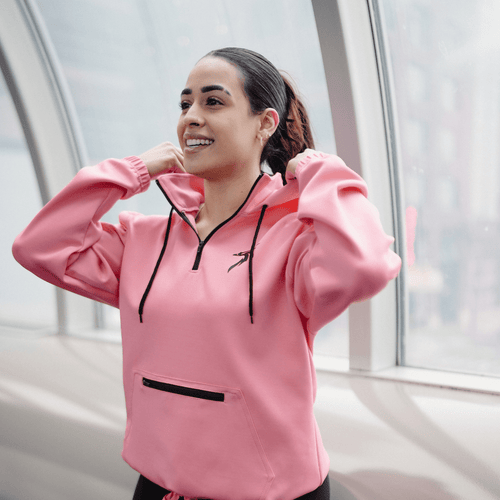
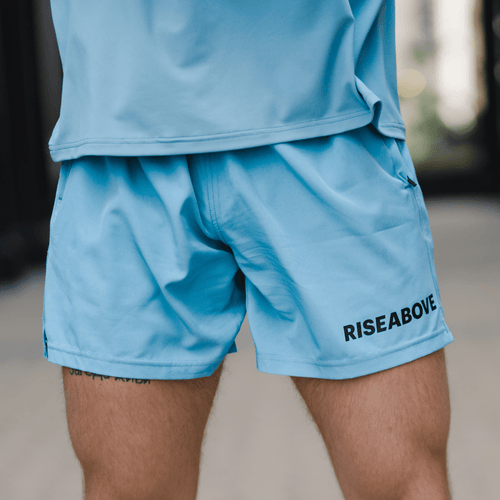
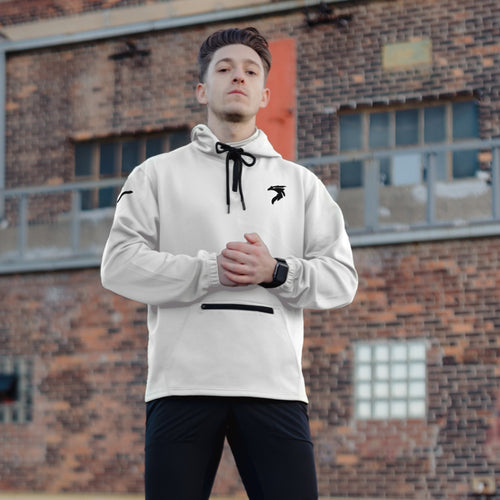
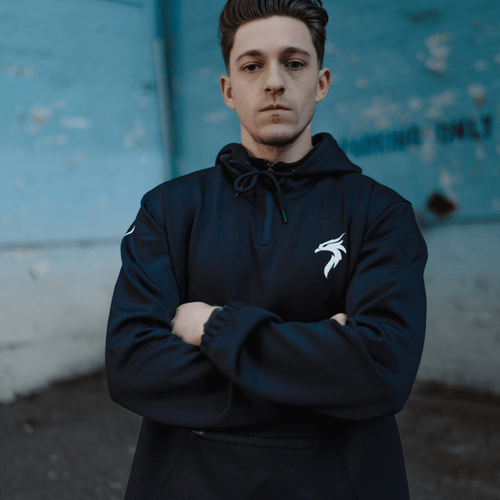
Our mental health clothing is designed to be more than just fabric; it’s a physical reminder of your resilience. Whether you need the comfort of mental health hoodies for post-workout reflection or the breathable performance of our mental health shirts during a heavy lift, each piece is built for the comeback.
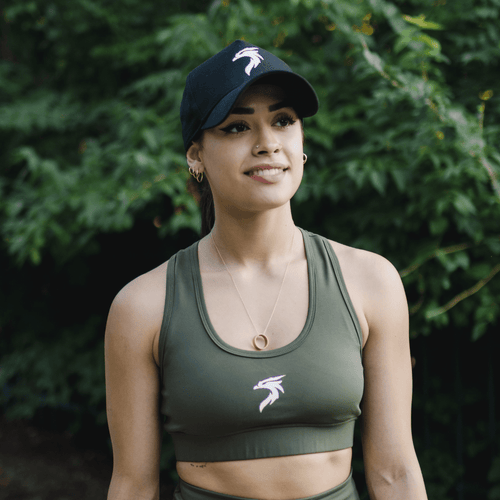
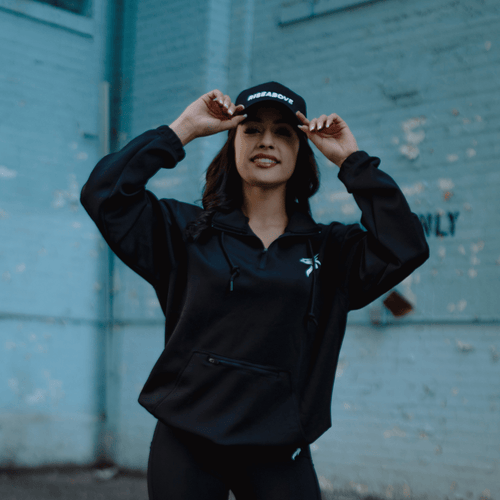
For those outdoor recovery miles, our mental health hats keep you shielded and focused. Collections like Born From The Ashes remind you that some of the strongest things start from nothing, that your comeback story is still being written.
Your Recovery Starts Now
Mental health recovery through fitness isn't about becoming someone else—it's about becoming yourself again. The person who can handle hard things. The person who shows up when it matters. The person who refuses to stay down.
You didn't come this far to stop here. Your mind is stronger than you think, your body more resilient than you know, and your capacity for transformation unlimited.
The journey back to yourself starts with a single step, a single rep, a single decision to keep moving forward when everything tells you to quit.
Ready to wear what you've overcome? Your transformation story deserves gear that matches your resilience. Learn more at riseabove.org.
Forged In The Fire
Wear Your Story. Get 20% Off.
Join a community that turns scars into strength. Get 20% off your first order, plus new drops and real stories of resilience, straight to your inbox.